-
 How to Thoroughly Remove Micro‑Pore Contaminants in Hydraulic Components? This Ultrasonic Equipment Has Become the Industry Standard
In hydraulic system manufacturing, there is a scenario that plays out repeatedly in quality inspection rooms: A valve body passes every dimensional check, assembles perfectly, and ships to the customer. Then, after a few hundred operating hours, the syste
-
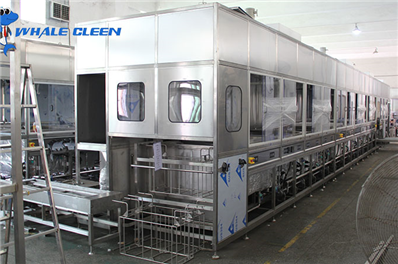 Precision Metal Stamping Parts Cleaning: Key Ultrasonic Equipment Selection Points — Why Whale Cleen Delivers Consistent, Damage‑Free Results
In high‑volume metal stamping production, cleaning is a process that is often underestimated—until it becomes the bottleneck. Stamped parts emerge from the press coated with heavy stamping oil, microscopic metal fines, and occasionally coolant residues. L
-
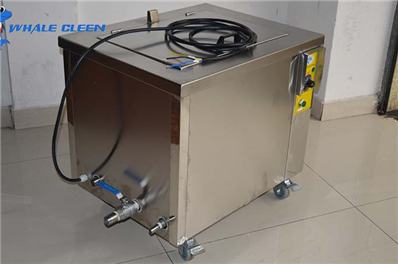 Operation Characteristics of ultrasonic cleaning machine? What does it do in the lab?
Ultrasonic equipment is widely used at present, there are many types of ultrasonic cleaning machines, in the process of use, can be based on the actual situation, use will produce a lot of atmospheric pressure and micro-foam blowing cleaning objects, surf
-
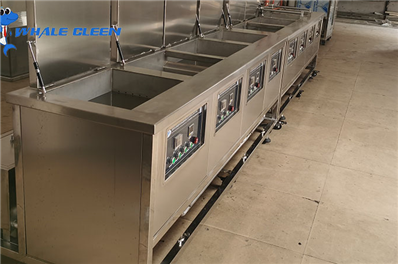 A Professional Guide to Repairing Ultrasonic Cleaning Machines
Introduction Ultrasonic cleaning machines are widely used in various industries for their efficient cleaning capabilities. However, like any other equipment, they may encounter malfunctions over time. Understanding how to repair these machines is cruci
-
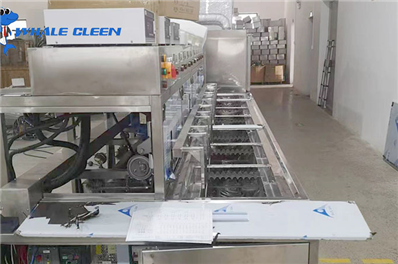 Choosing the Right Water Pump for Ultrasonic Cleaning Machines: A Professional Guide
Ultrasonic cleaning is a highly efficient method for cleaning delicate parts, equipment, and instruments, commonly used in various industries such as healthcare, electronics, automotive, and manufacturing. This process employs high-frequency sound waves,
-
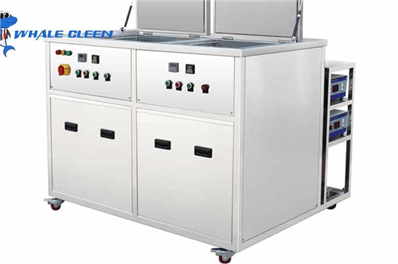 Stuck with Grinding Dust Embedded in Batch Workpiece Crevices? Manual Cleaning Is Draining Your Labor Budget and Driving Production Costs Through the Roof
Walk into any metalworking shop, stamping plant, or machining facility, and you will see the same scene repeated shift after shift: workers hunched over parts bins, scrubbing with brushes, picking at crevices with picks, blowing compressed air into blind
-
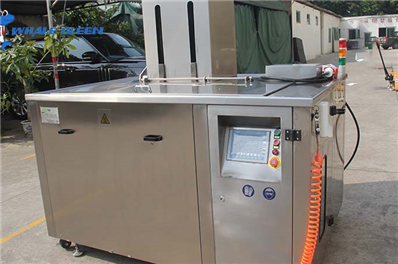 How Ultrasonic Cleaning Reaches the Thread Roots of Micro-Fasteners for Deep Chip and Oil Removal
In precision manufacturing, few challenges are as persistent—or as costly—as cleaning micro-fasteners. Screws, bolts, and threaded inserts with diameters under M2 feature intricate geometries: narrow thread valleys, blind holes, and sharp internal corners
-
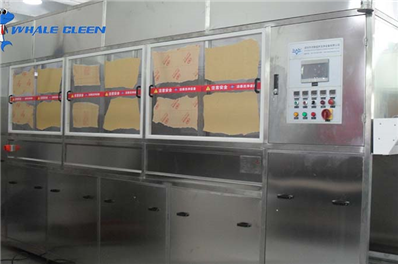 Ultrasonic Cleaning Machine: Solving the Batch Cleanliness Inconsistency Crisis in Aerospace Fastener Manufacturing
In aerospace manufacturing, a single contaminated fastener can compromise an entire assembly. Threaded surfaces trap machining oils, metal chips, and microscopic particulates that, if not completely removed, directly affect torque values, joint integrity,
-
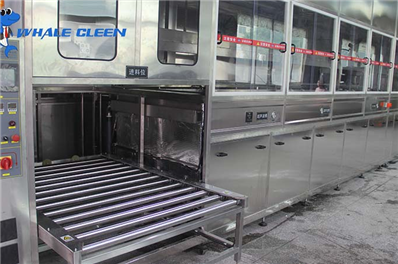 Can One Ultrasonic Cleaning Machine Really Solve Water Stain and Oxidation Problems on Die-Cast Parts?
Walk into any die-casting facility, and you will hear the same frustration from quality control inspectors and production managers alike. Aluminum die-cast parts emerge from the cleaning line looking perfectly clean—only to reveal white spots, cloudy patc
-
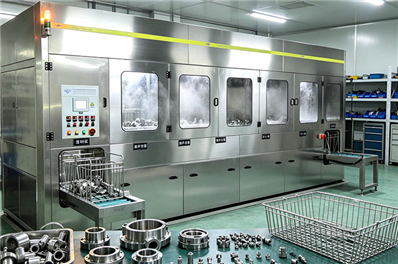 Industrial Ultrasonic Cleaning Machine: The Complete Solution for Manufacturing Precision Parts
In modern manufacturing, surface cleanliness is not merely an aesthetic consideration—it is a critical factor that directly impacts product performance, coating adhesion, and overall production yield. From automotive engine components and transmission par
-
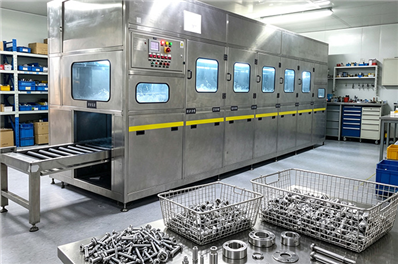 Ultrasonic vs. Electrolytic Ultrasonic Cleaning: What's the Real Difference in Metal Finishing Cleanliness?
In metal finishing and electroplating operations, cleanliness is not just a quality metric—it is the foundation upon which adhesion, corrosion resistance, and final product performance are built. A single speck of oil residue on a stamped metal part can c
-
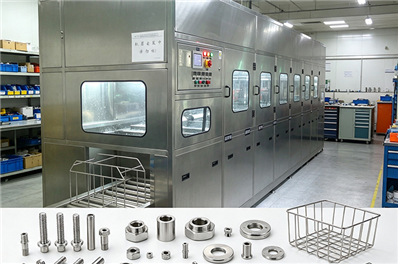 Ultrasonic Cleaning Machine: Why Disassemble Molds When You Can Clean Carbon Deposits in Minutes?
In industrial manufacturing, few maintenance tasks are as time-consuming and costly as mold cleaning. Production managers know the drill all too well: shutdown the line, wait for the mold to cool, disassemble every component, scrub stubborn carbon deposit